
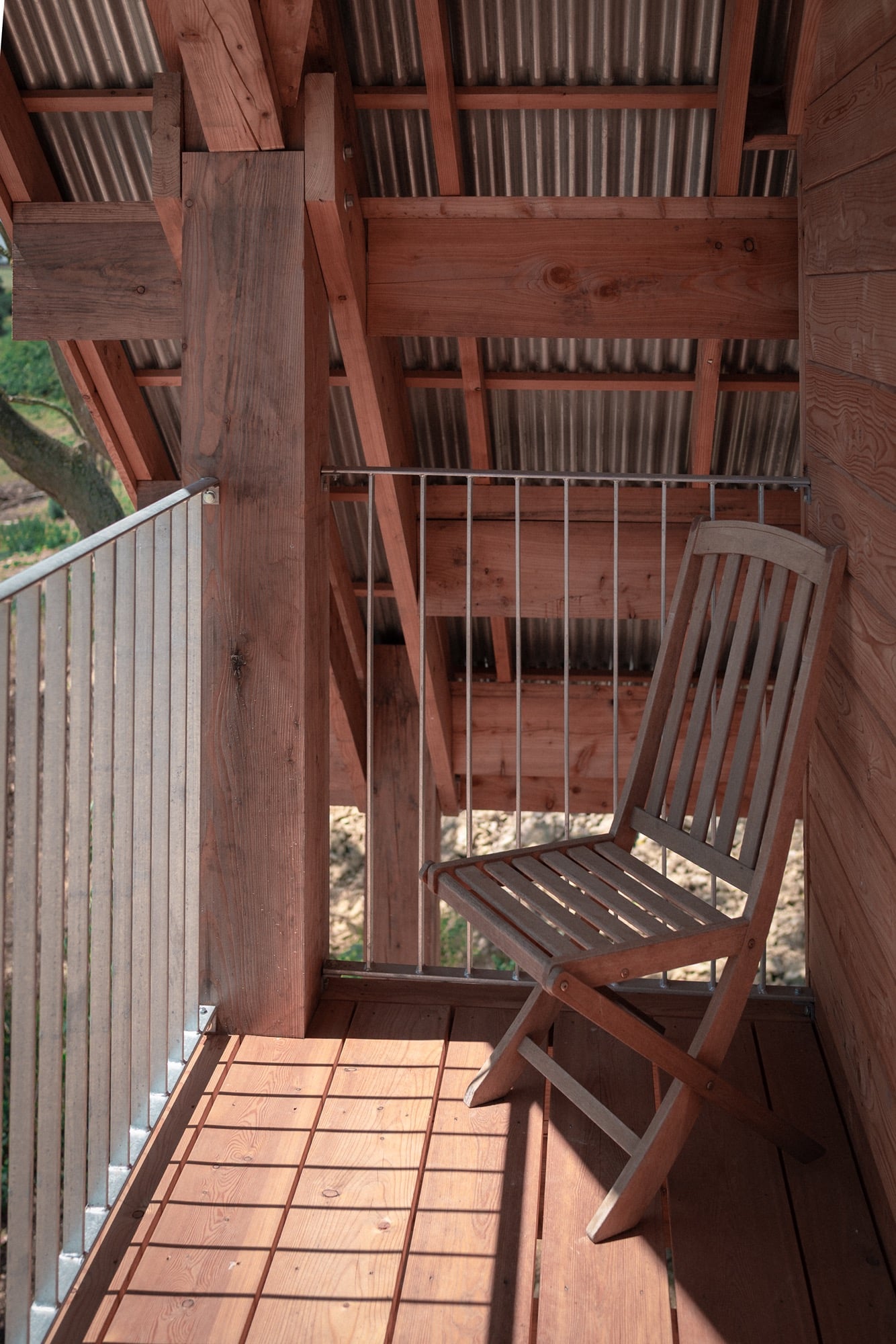
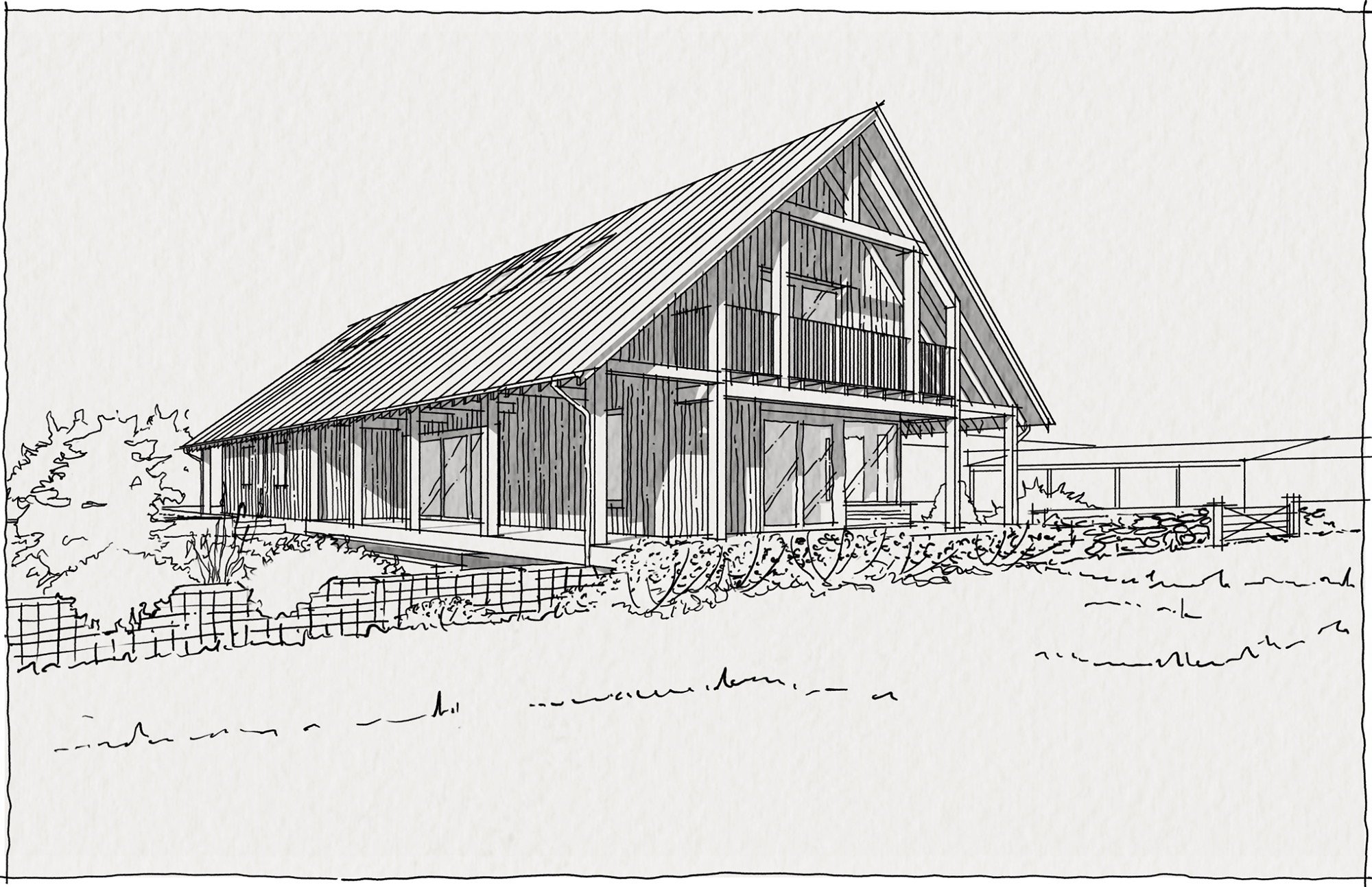
This new farmhouse is a certified Passive House. Located at the centre of a Bedfordshire farm, it replaces a tumble-down stable and tiny cottage, which previously formed the third wing of the existing historic farmyard. Whilst different in its materiality and construction methods, the design remains uncompromisingly agricultural and utilitarian – it features metal roofing sheets, galvanised rainwater goods, and exposed timber fixings – ensuring it still feels appropriate for the context.
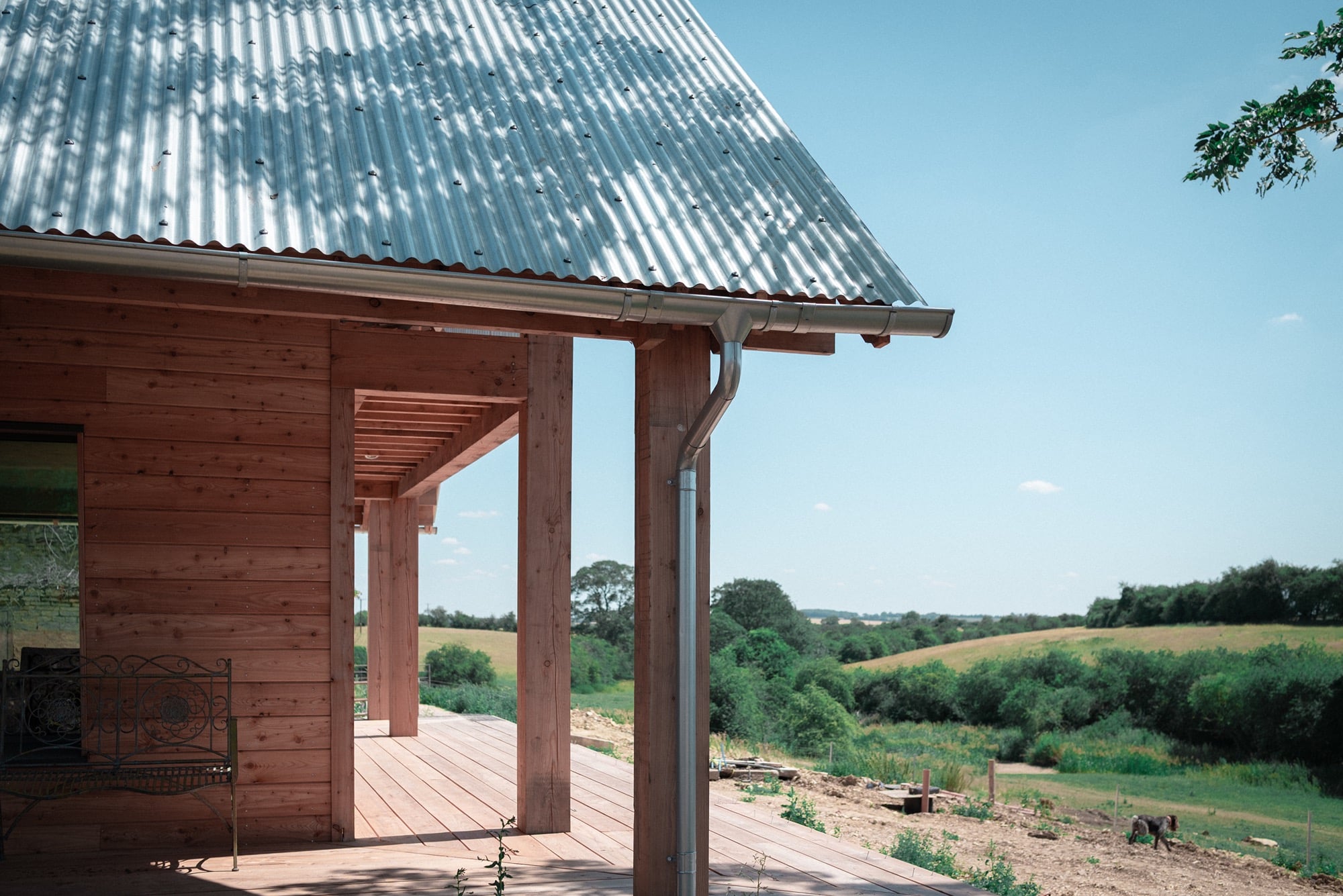
From the very beginning, our client had a clear objective to minimise the project's whole-life carbon footprint, and they have demonstrated that, with care and determination, this can be achieved on a domestic scale. This started at the demolition phase - careful planning and coordination allowed materials to be reclaimed for the new build, or sent for recycling – and flowed through the whole process right up to the point of picking reclaimed Beech wood flooring, and a second-hand kitchen.
Key statistics
Estimated heat demand: 13 KWh/m2·yr (PHPP)
Airtightness: 0.2 ACH
Whole-life carbon: TBC
Team
Architecture: Form+Folk
Structural engineering: Build Collective
Timber frame design: Cullen Timber Design
Contractor: Hull & Curtis Construction
Renewables: Custom Renewables
Photography: David Holland
Type
New Passive House
Location
Bedfordshire
Status
Complete
Highlights
Featured in House Planning Help Ep. 372